A noisy roller or broken spring usually does not require a brand-new garage door. Widespread damage, repeated failures, or poor structural condition can make replacement the smarter investment. The right answer depends on the entire system—not one symptom in isolation.
If the door is off track, crooked, hanging by a cable, or has a damaged lower bracket, keep people and vehicles clear and arrange an inspection before operating it again.
When a repair often makes sense
Repair is usually worth considering when the door sections are structurally sound and the problem is limited to serviceable hardware or controls. Common repair candidates include:
- A broken spring on an otherwise sound door
- Worn rollers, hinges, bearings, or weather seal
- A frayed cable discovered before other parts are damaged
- Photo-eye, remote, wall-control, or opener issues
- A bent track that can be safely realigned or replaced
- One damaged panel when a matching replacement is available
A quality repair should address the cause, restore balance, and include an operational safety check. For example, replacing an opener will not solve a door that is heavy because of an incorrect spring.
When replacement deserves serious consideration
Several panels are damaged
Vehicle impact, wind, or long-term deterioration can affect multiple sections. When damage changes how the panels stack or travel through the radius, piecemeal repairs may cost more while leaving an inconsistent result.
The door is structurally weakened
Cracks, severe corrosion, delamination, broken stile connections, or repeated splitting around hinge fasteners can compromise the door. Hardware must attach to solid material to operate safely.
Repairs have become frequent
One repair does not mean the door is at the end of its life. A pattern of unrelated failures can be different. Compare the combined recent repair cost with the value of a complete door and new hardware rather than looking only at today's invoice.
Replacement parts are unavailable
Panel designs, colors, and embossing change. If the manufacturer no longer supplies a compatible section, replacing the whole door may be the only way to restore appearance and proper fit.
Five factors to compare
1. Safety and structural condition
Start with the tracks, attachment points, panels, counterbalance system, and opener safety features. Structural problems carry more weight in the decision than cosmetic flaws.
2. Age and maintenance history
Age alone does not decide the outcome. A maintained older door can remain dependable, while a neglected newer door may need extensive work. Ask what has already been replaced and whether the current failure caused secondary damage.
3. Daily use
A garage door that serves as the main household entrance can cycle several times per day. Higher use makes smooth hardware, correct balance, and dependable access more important.
4. Insulation and comfort
An attached garage can affect rooms beside or above it. A well-fitted insulated door with intact perimeter seals may improve comfort, but the benefit depends on the garage construction, climate exposure, and how the space is used.
5. Appearance and curb appeal
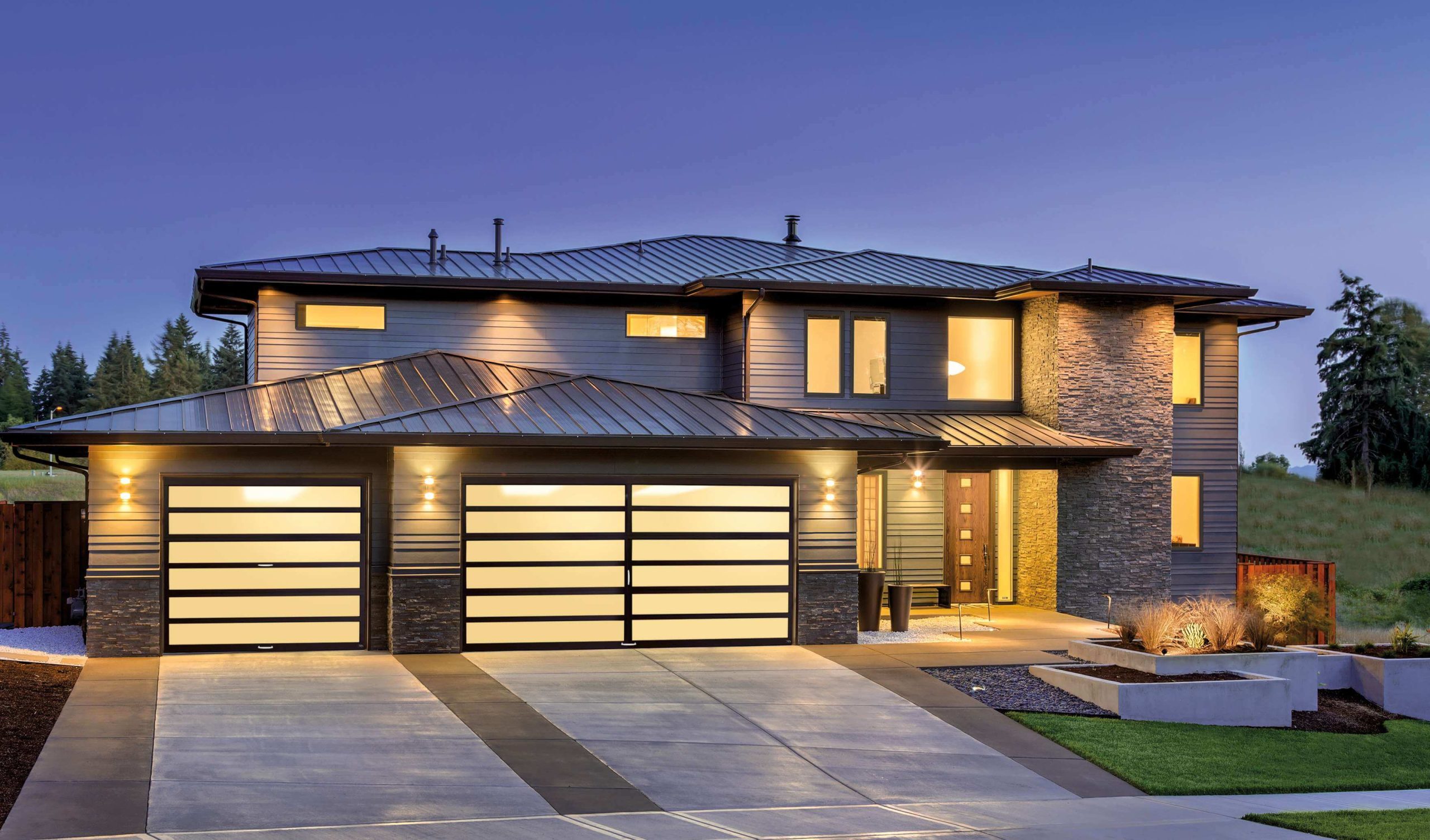
The garage door can occupy a large portion of the home's front elevation. Replacement lets you change panel style, window design, color, and hardware together. If appearance is the main concern and the existing door is sound, cleaning, refinishing, or replacing one available panel may be enough.
What a useful estimate should explain
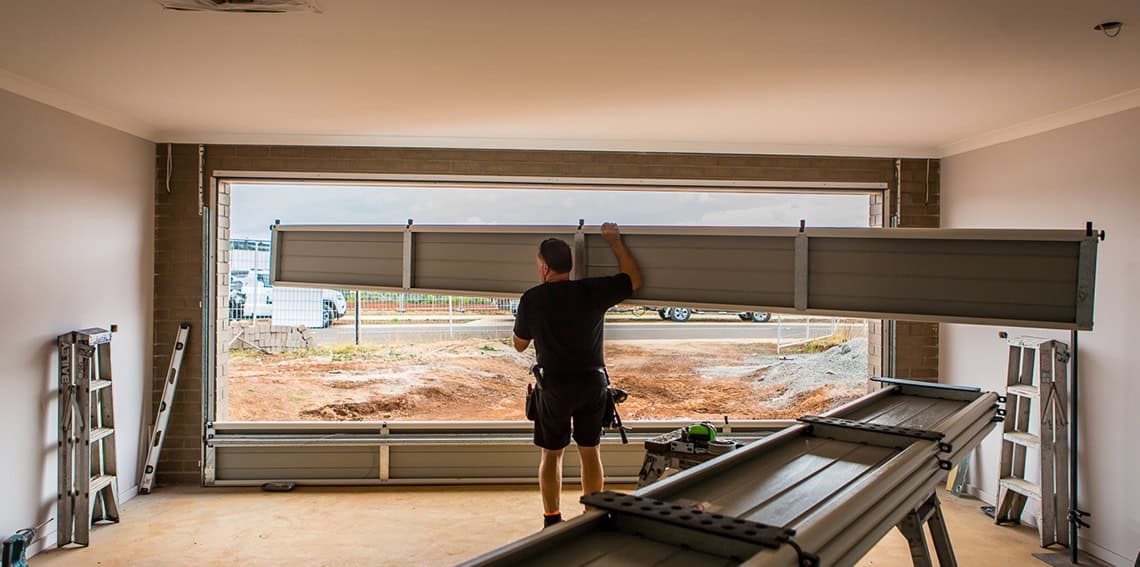
A clear recommendation should separate immediate safety needs from optional improvements. For repair, ask what parts are being replaced, why they failed, and how the door will be tested. For replacement, confirm the door size, construction, insulation value, track configuration, spring system, opener compatibility, window options, removal, and final setup.
The best choice is the one that restores safe operation and fits how long you expect to stay in the home, how often the door is used, and which improvements matter to you.
Call Garage Door Service Pro at (720) 513-4343. We can inspect the full system and explain the practical options before work begins.